
- What the Legal Limit Actually Means
- How Traffic Police Enforce DUI Laws
- The 12-Point Demerit System
- Why Your International License Doesn’t Work
- Real Cases: What Happens When Foreigners Get Caught
- Traffic Culture: What Driving in China Actually Feels Like
- How a Past DUI Conviction Affects Entry to China
- What to Do If You Have a DUI Record and Want to Visit China
- Enforcement Intensity Varies by City
- Practical Alternatives to Driving After Drinking
- Common Myths Foreigners Believe
- Updated Legal Framework: 2023 DUI Standards
- Visa Refusal Policies: What Chinese Immigration Actually Says
- What to Do If Stopped for DUI Suspicion
- Checklist for Foreigners with a DUI Conviction Planning China Travel
- City-by-City DUI Enforcement Intensity
- Paying Traffic Fines as a Foreigner
- Reducing Risk: One Simple Rule
- Frequently Asked Questions About DUI Laws in China
- References
One beer puts you over the legal limit in China. The blood alcohol concentration (BAC) threshold is 20mg/100ml—roughly what you get from a single standard drink. Cross that line, and you’re looking at fines, license suspension, detention, and deportation.
No warnings. No grace period for foreigners. Just immediate consequences that will wreck your trip.
What the Legal Limit Actually Means
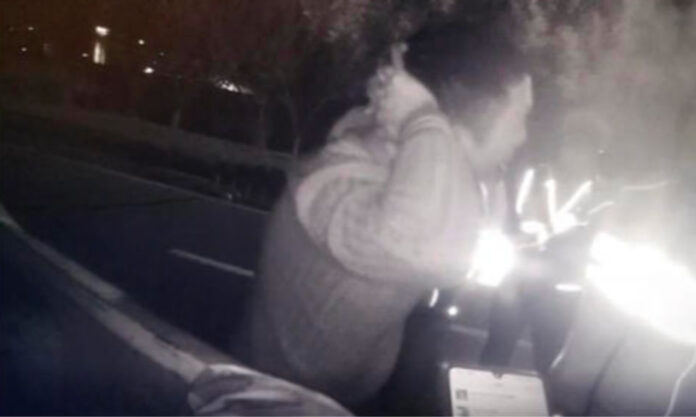
China splits drunk driving into two categories:
Driving after drinking: BAC between 20mg/100ml and 80mg/100ml
- 6-month license suspension
- 1,000 to 2,000 yuan fine ($140-280 USD)
- 12 demerit points (automatic suspension)
Drunk driving (criminal offense): BAC over 80mg/100ml
- Minimum 5-year ban from reapplying for a license
- Detention or jail time (1-6 months typical)
- Criminal record
- Deportation for foreigners
- Visa blacklist—getting back into China becomes difficult or impossible
These aren’t theoretical. Between January and November 2024, prosecutors indicted 303,000 people for dangerous driving, mostly drunk driving cases. That’s down 42.3% from the previous year, but it still means constant enforcement.
One standard beer (330ml at 5% alcohol) typically produces around 30mg/100ml BAC. You’re already over the “drinking and driving” threshold before you finish your first Tsingtao.
How Traffic Police Enforce DUI Laws

Random breath tests happen anywhere, anytime. Cops don’t need probable cause or an accident scene to pull you over and demand a breathalyzer test. They set up checkpoints at night near entertainment districts, highway exits, and residential areas.
Guan Baokui, Partner at AllBright Law Offices (Qingdao) and legal service provider recommended by U.S., U.K., and other embassies, warns: “Driving under the influence in China carries serious legal consequences for everyone and foreigners are no exception. Be aware that Chinese law enforces strict penalty and the convictions can drastically impact your life and the status in the country.”
Refusing the test makes things worse. Police will detain you on the spot, and refusal itself can escalate charges. If you don’t speak Mandarin, ask for a translator—officers are supposed to provide one, though wait times vary. Don’t argue. Don’t try to negotiate. Cooperate and contact your embassy immediately if detained.
The 12-Point Demerit System

China uses a 12-point demerit system for all traffic violations. Accumulate 12 points in a 12-month period, and your license gets suspended automatically.
A single DUI conviction assigns all 12 points. You lose your license immediately. After the suspension period (6 months minimum for “driving after drinking”), you must pass a re-examination to get it back.
For serious violations or repeat offenses, the system triggers permanent disqualification. Second DUI offense? Permanent ban. Drunk driving with an accident? Criminal charges plus permanent ban.
Why Your International License Doesn’t Work
International Driving Permits (IDPs) are not valid in mainland China. Period.
You need a Chinese driver’s license to legally drive, rent, or borrow a car. This applies to everyone—tourists, business travelers, expats. No exceptions.
Getting a temporary Chinese driver’s license:
- Valid for short-term visitors (usually 3 months)
- Requires passing a theory exam (available in English)
- Need your passport, valid foreign driver’s license, translation, visa, and passport photos
- Costs around 10-20 yuan for the exam
- Processing takes 1-3 days depending on the city
The exam is multiple choice, covers basic traffic rules, and you can find practice tests online. Some cities skip the driving test for small passenger vehicles (Category C) if you already hold a valid foreign license.
But here’s the problem: the bureaucracy is annoying. You’ll visit the local vehicle administration office (che guan suo), fill out forms in Chinese (bring a translator or Chinese-speaking friend), and navigate a system that doesn’t accept Visa or Mastercard. You need WeChat Pay or Alipay loaded with yuan.
Most foreign tourists skip driving entirely. Hire a driver, use DiDi (China’s ride-hailing app—download it and link your foreign credit card before you arrive), or take the metro. Public transit in Beijing, Shanghai, Guangzhou, and Shenzhen is efficient and cheap.
Real Cases: What Happens When Foreigners Get Caught

Shanghai, 2013: A foreign man passed out drunk behind the wheel and crashed into another vehicle. BAC tested at 177mg/100ml. He got one month detention, a 2,000 yuan fine, and a criminal record—despite no injuries. Authorities emphasized “equal punishment” and warned the case could harm diplomatic relations if details leaked publicly.
Shanghai, 2010: Daniel, a foreign hotel manager, had drinks at a bar, drove home, and caused a minor fender-bender. Police arrested him at the scene. He lost his residence permit, driver’s license, served 10 days detention, paid a 2,000 yuan fine, and was deported. The accident caused minor injuries, but the DUI alone was enough to expel him permanently.
In both cases, the foreigners didn’t think one or two drinks mattered. They were wrong.
Traffic Culture: What Driving in China Actually Feels Like

Driving in China operates on fluid negotiation, not rigid rule-following. The biggest or fastest vehicle gets priority. Lane markings are suggestions. Honking is constant communication, not road rage.
Common hazards:
- E-bikes and motorcycles: Silent, fast, and everywhere. They weave through traffic, run red lights, and appear in your blind spot without warning. Southern cities like Guangzhou and Shenzhen have millions of them.
- Aggressive lane changes: Drivers switch lanes without signaling. Straddling two lanes is normal when traffic slows.
- Pedestrians and scooters on highways: Even on expressways, you’ll encounter slow-moving vehicles, pedestrians crossing, and livestock in rural areas.
- Hidden speed cameras: Mounted in trees, on overpasses, in unmarked vans. Fines arrive weeks later via text message linked to your license plate.
Defensive driving isn’t optional. Assume no one will yield, even when you have right-of-way. Keep distance. Watch everything.
For payments, load WeChat Pay or Alipay before you need them. Parking, tolls, and fines increasingly require digital payment. Cash is becoming useless, and foreign credit cards don’t work at most parking meters or toll booths.
How a Past DUI Conviction Affects Entry to China

China reserves the right to deny entry to anyone with a criminal record. A DUI conviction doesn’t automatically disqualify you, but it complicates things.
Automatic denial triggers:
- DUI sentence (including suspended portions) of 12 months or more
- Multiple DUI offenses
- Recent convictions (within 5 years)
Visa applications ask about criminal history. Answer truthfully. Chinese immigration shares data with embassies, and lying triggers immediate denial plus a potential permanent ban.
A single DUI from 10 years ago with no jail time? Probably not an issue, but prepare documentation proving completion of probation, fines paid, and no repeat offenses. Bring certified court records, rehabilitation certificates, and a letter from your attorney if applying for a work or long-term visa.
Recent or severe DUI cases—especially those involving accidents, injuries, or high BAC levels—significantly increase denial risk. Chinese consular officers have broad discretion.
What to Do If You Have a DUI Record and Want to Visit China
Step 1: Consult an attorney experienced in Chinese immigration law before applying for a visa. They’ll review your specific case and advise whether disclosure is required and what documentation to prepare.
Step 2: Gather all court records, proof of sentence completion, and rehabilitation evidence. Translate critical documents into Mandarin if applying for long-term visas.
Step 3: Apply early. Visa processing can take weeks if they request additional documents or conduct background checks.
Step 4: At the port of entry, answer questions honestly if asked about criminal history. Border officers can access shared databases. Getting caught lying results in immediate deportation and a ban.
Step 5: If denied, appeal through the embassy or consulate. Provide new evidence of rehabilitation, character references, or proof the conviction is spent under your home country’s laws.
China’s approach differs from other countries. Canada auto-denies entry for DUI unless you apply for rehabilitation. The U.S. and EU focus on repeat offenses and sentences over one year. China evaluates case-by-case but leans strict for recent or serious convictions.
Enforcement Intensity Varies by City

National DUI laws are uniform, but enforcement intensity and traffic culture differ.
Beijing: Heavy enforcement near entertainment districts (Sanlitun, Guomao). Checkpoints every weekend night. Expect breath tests if driving after 10 PM near bars.
Shanghai: Strict enforcement citywide. Traffic cameras everywhere, including alcohol detection pilot programs using AI to spot erratic driving. Police also patrol Pudong and Hongqiao airport routes.
Guangzhou and Shenzhen: Intense focus on e-bike and motorcycle DUIs. Southern cities have higher rates of two-wheel drunk driving, so police target scooter riders as much as car drivers.
Smaller cities and rural areas: Less visible enforcement, but checkpoints still appear during holidays (Spring Festival, National Day). Don’t assume you’re safe.
In 2022, China handled 901,000 DUI and drunk driving cases nationwide, including 177,000 criminal drunk driving incidents. These caused 1,525 fatal accidents and 1,674 deaths—a 20.7% drop in accidents and 20.4% in deaths from the prior year. Enforcement is relentless.
Practical Alternatives to Driving After Drinking

Designated driver services (代驾, dàijià): Widely available in major cities. Book through WeChat or Alipay. A driver shows up on an electric scooter, folds it into your trunk, and drives you and your car home. Costs 30-100 yuan depending on distance. Legal and common.
DiDi rideshare: Download the app before you arrive. Link a foreign credit card (Visa and Mastercard work). GPS works even if you don’t speak Chinese—just set your destination and show the driver the screen.
Metro systems: Beijing, Shanghai, Guangzhou, Shenzhen, Chengdu, and Hangzhou have extensive metro networks. Trains run until 11 PM or midnight. Buy tickets at stations using cash, WeChat Pay, or Alipay.
Taxis: Hail on the street or through the DiDi app. Cash works, but drivers prefer WeChat Pay. Have your destination written in Chinese characters or show the address on your phone.
Never drive after any alcohol. The risk isn’t worth it.
Common Myths Foreigners Believe

Myth: “My international license covers me for short visits.”
Reality: IDPs are invalid in mainland China. Driving without a Chinese license is illegal, and getting caught means fines, vehicle impoundment, and potential deportation even without a DUI.
Myth: “One beer won’t put me over the limit.”
Reality: One standard beer (330ml at 5% alcohol) produces roughly 30mg/100ml BAC—already over the 20mg/100ml threshold. Your metabolism, body weight, and drinking speed don’t matter to the breathalyzer.
Myth: “Police won’t bother foreigners.”
Reality: Foreigners get identical treatment. High-profile cases (like the Shanghai hotel manager) show authorities enforce DUI laws strictly regardless of nationality.
Myth: “I can refuse the breath test and avoid charges.”
Reality: Refusal escalates the situation. Police will detain you, and refusal itself can lead to harsher penalties and criminal obstruction charges.
Updated Legal Framework: 2023 DUI Standards
China revised drunk driving conviction standards effective 2023, tightening enforcement further.
Key changes:
- Increased penalties for DUI causing accidents, even minor ones
- Harsher punishment for repeat offenders (automatic criminal charges for second offense regardless of BAC)
- Expanded definition of “driving” to include sitting in the driver’s seat with the engine running, even if parked
These updates came after studies showed alcohol links to 20-48% of serious crashes in China. Surveys indicate 1.5% of adults drink-drive monthly (3% of males), with 4.5-4.6% of drivers in tested cities exceeding legal limits.
The legal framework aims to reduce fatalities. It’s working—drunk driving deaths dropped 20.4% in 2022—but enforcement remains aggressive.
Visa Refusal Policies: What Chinese Immigration Actually Says
Chinese visa applications (SF form) ask: “Have you ever been arrested, convicted, or denied entry to any country?”
Answer yes if you have a DUI conviction. Provide details: date, charge, sentence, and completion proof.
Grey areas:
- Expunged or sealed records: Depends on your home country’s laws and China’s access to shared databases. Consult an attorney.
- Deferred adjudication or diversion programs: If you completed a program and charges were dismissed, clarify this in your application with supporting documents.
- Misdemeanor vs. felony: China doesn’t use this distinction. They evaluate sentence length and severity. A misdemeanor DUI with 12+ months suspended sentence can still trigger denial.
No official Chinese government source publicly lists DUI-specific visa refusal criteria. Policies are enforced case-by-case, and consular officers have discretion. This makes preparation and honesty critical.
If denied, appeal through the consulate. Provide evidence of rehabilitation, character references, proof the conviction is spent, and a letter explaining circumstances.
What to Do If Stopped for DUI Suspicion

Step 1: Pull over immediately when signaled. Turning off side streets or delaying raises suspicion.
Step 2: Stay calm and polite. Hand over your license, passport, and vehicle registration when asked.
Step 3: If you don’t speak Mandarin, say “我不会说中文,需要翻译” (wǒ bù huì shuō zhōngwén, xūyào fānyì)—”I don’t speak Chinese, I need a translator.” Repeat this until they provide one.
Step 4: Cooperate with the breath test. Refusal makes things worse.
Step 5: If detained, ask to contact your embassy immediately. Memorize or save your embassy’s emergency number in your phone before you travel.
Step 6: Do not sign any documents you don’t understand. Insist on a translation. Signing an admission of guilt without understanding it can’t be undone.
Police typically bring you to the station for processing if you test over 20mg/100ml. They’ll confiscate your license, issue a fine notice, and explain next steps (in theory—language barriers complicate this). If your BAC exceeds 80mg/100ml, expect detention and criminal processing.
Contact your embassy as soon as possible. They can’t get you out of charges, but they’ll provide a list of English-speaking attorneys, monitor your detention conditions, and notify family.
Checklist for Foreigners with a DUI Conviction Planning China Travel
- [ ] Consult an immigration attorney experienced in Chinese visa law
- [ ] Gather certified court records, sentencing documents, and proof of completion
- [ ] Translate critical documents into Mandarin (for work or long-term visas)
- [ ] Apply for your visa early (allow 4-6 weeks for processing)
- [ ] Disclose your conviction truthfully on the visa application
- [ ] Prepare a brief written explanation of the circumstances, rehabilitation, and time elapsed
- [ ] Save your embassy’s emergency contact number in your phone
- [ ] Avoid driving in China—plan to use public transit, rideshares, or hired drivers
- [ ] If denied entry, request written reasons and consult your attorney about appeals
City-by-City DUI Enforcement Intensity
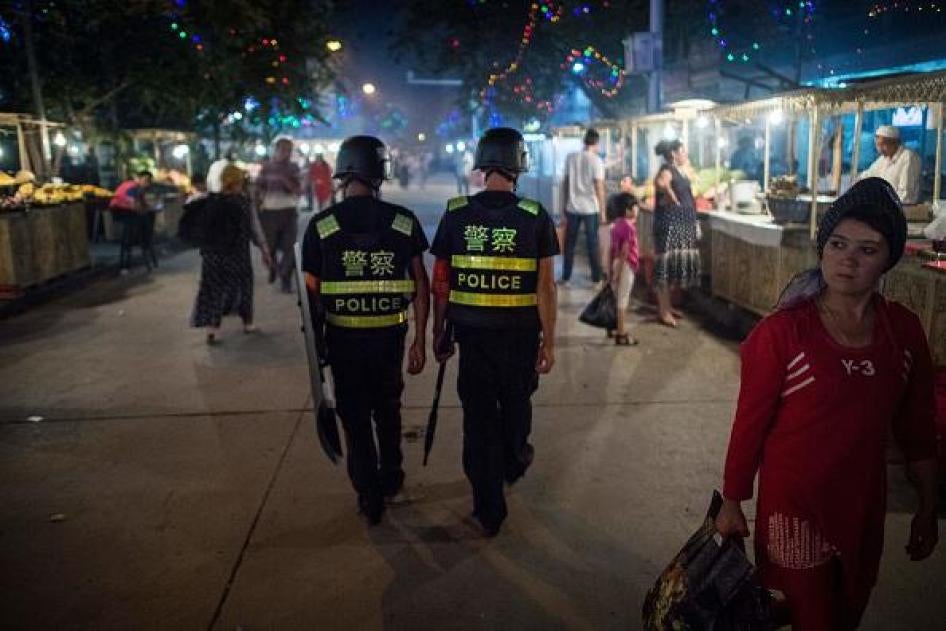
Beijing: Checkpoints concentrate near Sanlitun, Guomao, and CBD entertainment zones. Weekend nights see heavy enforcement. Expect breath tests if driving after 10 PM near bars or clubs.
Shanghai: Citywide enforcement with traffic cameras on most major roads. Pudong and Hongqiao airport routes have frequent checkpoints targeting travelers. Police also patrol residential areas.
Guangzhou: Focuses on e-bike and motorcycle DUIs due to high two-wheel traffic. Tianhe and Zhujiang New Town see frequent stops.
Shenzhen: Similar to Guangzhou. Futian and Nanshan districts have weekend checkpoints. Border crossings to Hong Kong also conduct random checks.
Chengdu and Chongqing: Less visible enforcement than coastal cities, but checkpoints appear during holidays. Rural highways have fewer patrols but still enforce limits.
No city is “safe” for drinking and driving. Enforcement happens everywhere.
Paying Traffic Fines as a Foreigner
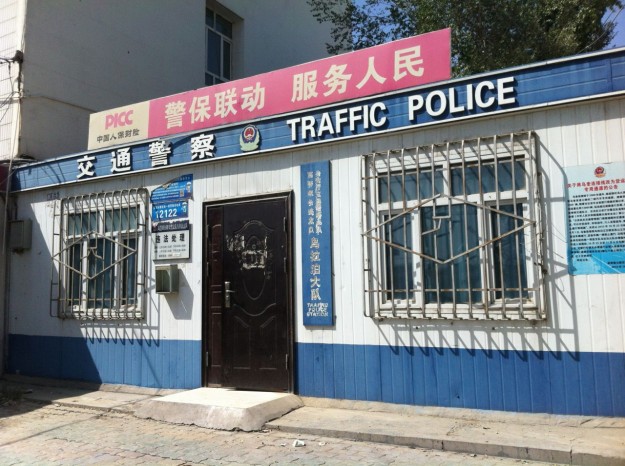
Fines must be paid within 15 days to avoid additional penalties.
Where to pay:
- Vehicle administration offices (车管所, chē guǎn suǒ)
- Designated police stations
- Authorized banks (Bank of China, ICBC, Agricultural Bank of China)
How to pay:
- WeChat Pay or Alipay (most common)
- Cash at banks or vehicle administration offices
- Some cities allow payment through the Traffic Management Bureau app (12123)
You’ll need your fine notice (issued at the scene or station), passport, and driver’s license number. Many offices don’t have English-speaking staff—bring a Chinese-speaking friend or use a translation app.
If you leave China without paying, the fine follows your license. You can’t renew or convert your Chinese license until settled, and outstanding fines can complicate future visa applications.
Reducing Risk: One Simple Rule
Don’t drink and drive. Not one sip. Not one beer. Not “just around the corner.”
Use DiDi, hire a designated driver, take the metro, or walk. The cost of a ride home is 30-100 yuan. The cost of a DUI is your trip, your visa, your freedom, and potentially your ability to return to China.
Frequently Asked Questions About DUI Laws in China
Can foreigners drive in China using an International Driving Permit?
No. International Driving Permits are not valid in mainland China. You must obtain a Chinese driver’s license to legally drive, rent, or borrow a vehicle. Temporary licenses are available for short-term visitors, valid for around 3 months, but you still need to pass a theory exam and provide required documents (passport, foreign license, translation, visa, photos).
What is the blood alcohol concentration limit for drivers in China?
The legal BAC limit is 20mg/100ml for “driving after drinking” and 80mg/100ml for “drunk driving” (criminal offense). One standard beer (330ml at 5%) typically produces around 30mg/100ml BAC—already over the lower threshold. There’s no safe amount to drink before driving.
What are the penalties for a first-time DUI offense in China?
For BAC between 20-80mg/100ml: 6-month license suspension, 1,000-2,000 yuan fine, and 12 demerit points (automatic suspension). For BAC over 80mg/100ml (criminal drunk driving): minimum 5-year license ban, detention or jail time (1-6 months typical), criminal record, and deportation for foreigners.
How does a past DUI conviction affect entry into China?
China can deny entry based on criminal records. A DUI sentence of 12 months or more (including suspended portions) often triggers automatic denial. Recent or multiple DUI offenses increase rejection risk. Visa applications require disclosure of criminal history—lying results in immediate denial and potential permanent ban. Older, minor DUI convictions may not disqualify you, but prepare documentation proving completion of sentence and rehabilitation.
What should foreigners do if stopped for DUI suspicion in China?
Pull over immediately, stay calm, and cooperate. If you don’t speak Mandarin, request a translator. Submit to the breath test—refusal escalates charges. If detained, ask to contact your embassy immediately. Don’t sign documents you don’t understand. Police will confiscate your license, issue a fine, and detain you if BAC exceeds 80mg/100ml. Contact your embassy for an attorney list and support.
Are there different traffic rules for different cities in China?
DUI laws and BAC limits are national—identical across all cities. Enforcement intensity varies. Beijing, Shanghai, Guangzhou, and Shenzhen have frequent checkpoints and heavy enforcement. Smaller cities and rural areas have fewer visible patrols but still enforce limits, especially during holidays. Traffic culture differs (e.g., more e-bikes in southern cities), but legal consequences remain the same nationwide.
How do I pay for traffic fines in China as a foreigner?
Pay within 15 days at vehicle administration offices, designated police stations, or authorized banks (Bank of China, ICBC, Agricultural Bank of China). Most locations accept WeChat Pay or Alipay; some accept cash. You need your fine notice, passport, and license number. Many offices lack English-speaking staff—bring a translator or use a translation app. Outstanding fines block license renewal and complicate future visa applications.
If you’re visiting China, skip alcohol entirely if you’re driving. Use DiDi or designated driver services—they’ll drive you and your car home for 30-100 yuan.
References

[1] https://www.sz.gov.cn/enszgov/news/latest/content/post11055006.html
[2] https://www.sz.gov.cn/enszgov/news/latest/content/post11055006.html
[3] https://www.globaltimes.cn/content/668341.shtml
[4] https://www.youtube.com/watch?v=yR8liCeh04
[5] https://www.chinajusticeobserver.com/a/china-introduces-new-drunk-driving-convictions-standards-effective-2023
[6] https://pubmed.ncbi.nlm.nih.gov/22458786/
[7] https://www.sandlawnd.com/dui-statistics-of-us-vs-other-countries/
[8] https://en.spp.gov.cn/2025-02/10/c1069429.htm
[9] https://carlsonmeissner.com/blog/countries-you-can-t-visit-if-you-have-a-dui-conviction/
[11] https://news18.com/viral/china-drunk-driver-service-drops-you-and-your-car-home-safely-video-9805236.html
[13] https://www.chinadaily.com.cn/2011-05/09/content12466576.htm
[14] https://www.scottsdale-duilawyer.com/blog/can-you-travel-internationally-after-getting-a-dui/
[18] https://www.youtube.com/watch?v=yR8liCeh04
[20] https://www.thechairmansbao.com/blog/can-you-drive-in-china-with-your-overseas-license/
[22] https://www.globaltimes.cn/content/566149.shtml
[23] https://www.beijingesc.com/tips-on-driving-in-china/201-drinking-and-driving-in-china.html
[24] https://en.wikipedia.org/wiki/Drunkdrivinglawbycountry
[25] https://www.globaltimes.cn/content/566149.shtml