
- How Speeding Fines Work in China
- Average Speed Cameras: What They Are and Where You’ll Find Them
- Speed Limits in China
- Getting a Legal License as a Foreigner
- Real Experiences: What Actually Happens When You Get a Ticket
- Avoiding Fines: Practical Steps
- Paying a Speeding Fine as a Foreigner
- Traffic Enforcement Differences Across Major Cities
- Frequently Asked Questions
- Key Compliance Points

You will get a speeding ticket in China. The cameras are everywhere, flashing constantly whether you’re speeding or not. Foreign drivers pay the same fines as locals—up to ¥200 for minor violations, ¥2,000 for severe ones—and navigating the payment bureaucracy without Mandarin is a headache. Your International Driving Permit is worthless here. You need a Chinese license or temporary permit, or you risk fines, detention, and losing the car.
This guide tells you how China’s speed enforcement actually works, what mistakes cost foreigners money, and how to handle fines when you inevitably get one.
How Speeding Fines Work in China
China enforces speed limits through automated cameras and a point-deduction system that applies equally to foreign and local drivers. Cameras are not suggestions—they capture your plate, calculate your speed, and mail the fine without warning.
Fine structure:
- Exceeding the limit by more than 10 km/h but under 150% of posted speed: up to ¥200
- Exceeding 150% of the limit: up to ¥2,000, plus potential license suspension
The fines come via automated radar traps, fixed cameras marked “雷达测速区” or “超速摄像”, and average speed systems labeled “区间测速”. Police checkpoints exist but most tickets come from cameras.
The 12-point system:
Every Chinese license starts with 12 points. Violating the speed limit by 50% or more costs you all 12 points instantly. Hit zero and you retake the full license exam. Accumulate 12 points in a year from smaller violations and the result is the same—re-examination. For foreigners, this can end your legal driving in China.
Average Speed Cameras: What They Are and Where You’ll Find Them

Average speed cameras don’t care if you slow down for one checkpoint. They measure your speed across an entire road section, from entry to exit.
How they work:
The system photographs your license plate and timestamps your passage at two or more points. It calculates distance divided by time. If your average speed exceeds the posted limit for that segment, you get a fine. Slowing down at camera locations does nothing if you’ve been speeding between them.
Signs reading “区间测速” mark these zones. They’re always signed, unlike some fixed cameras. The technology forces you to maintain legal speeds for kilometers, not just at camera points.
Where you’ll encounter them:
Average speed cameras are standard on expressways, toll roads, and major city routes. Fixed cameras supplement them on highways every few kilometers and throughout urban areas. Apps like Gaode Map (高德地图) and Baidu Map (百度地图) update camera locations and are critical tools—Google Maps is blocked and useless here.
Matthew Bossons, a US expat writing at Far West China, described the reality: “The trouble is they’re pretty much everywhere, though, flashing pictures whether you’re speeding or not… everybody is fully aware of each camera on the road.”
Recognizing enforcement zones:
- “区间测速” = average speed zone
- “雷达测速区” or “超速摄像” = fixed radar or camera enforcement
Stay 10 km/h below the posted limit. The tolerance is roughly 10-20 km/h, but relying on it is a gamble. Exceeding limits by even small margins triggers fines.
Speed Limits in China

| Road Type | Speed Limit (km/h) | Notes |
|———–|——————-|——-|
| Expressways (small cars) | 120 | Minimum 60 km/h; average speed monitored |
| City express roads | 100 | Heavy camera presence |
| National highways (intercity) | 80 | Tolerance ~10-20 km/h but not guaranteed |
| Urban roads (one lane/direction) | 30-50 | Watch for unmarked cameras |
Signs always post the limit. Urban residential areas drop to 30-40 km/h. Expressways enforce a minimum of 60 km/h—driving too slowly also violates the law.
Getting a Legal License as a Foreigner
Your International Driving Permit (IDP) does not work in mainland China. You cannot rent a car or drive legally with it alone. You need either a Chinese Temporary Driving Permit or a full Chinese Driver’s License.
Temporary Driving Permit:
Valid for up to 90 days, matching your visa duration. You can obtain one at major airports or vehicle administration bureaus without a theory or road test. You need your passport, a translated foreign driver’s license, photos, and a health certificate. This permit allows you to rent cars and drive legally for short stays.
Full Chinese Driver’s License:
For longer stays or permanent residency, convert your foreign license by:
- Translating and notarizing your foreign license (official translation required)
- Passing a medical exam at an approved institution
- Taking the Subject 1 theory test: 100 multiple-choice questions, available in English, French, German, Russian, and Japanese. Passing score: 90/100.
- No road test required for conversion
Processing takes around 5 days. The license is valid for 6-10 years.
Driving without proper licensing:
You face fines, possible detention, and vehicle impoundment. Rental companies will not lease to you without a valid Chinese license or temporary permit. No exceptions.
Real Experiences: What Actually Happens When You Get a Ticket
Case 1: Xinjiang Highway Fine
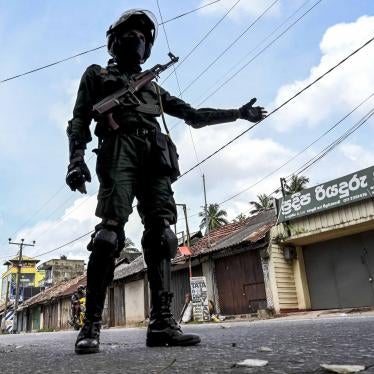
A foreigner driving between Urumqi and Heavenly Lake got caught by a camera doing 95 km/h in an 80 km/h zone. Fine: ¥200. The real cost was the bureaucratic maze. He asked three different police officers where to pay. Each gave a different answer. He took multiple taxis (extra ¥90) to track down the correct highway patrol station, which was locked for lunch when he arrived. The cameras flash constantly—even when you’re not speeding—so locals memorize every camera location. Foreigners don’t have that advantage.
Matthew Bossons summarized his own experience: “I asked at least 3 different police officers where I should go to pay my ticket and received three very different answers. That’s about par for the course here in China.”
Case 2: Using Navigation Apps to Avoid Cameras
Foreign drivers who successfully avoid tickets rely on Gaode Map or Baidu Map. These apps alert you to upcoming cameras, speed limits, and enforcement zones in real time. Even without reading Chinese, the icons are clear: a camera symbol appears on your route with the speed limit displayed. One expat reported setting the app to warn him 500 meters before each camera, allowing time to adjust speed naturally rather than braking hard at the last second—which itself can draw police attention or cause accidents.
Case 3: Paying a Fine Through a Rental Company
A foreign driver renting a car in Shanghai received a speeding notification two weeks after returning the vehicle. The rental company deducted ¥200 plus a ¥50 administrative fee from his credit card on file. He never saw the original notice—it went to the rental company’s registered address. The company’s policy, buried in the rental agreement, allowed them to charge his card for up to 90 days post-rental. He had no option to dispute because the photo evidence was clear.
Case 4: Encounter at a Police Checkpoint
A foreigner was stopped at a random checkpoint on a rural highway in Yunnan. Police asked for his license and vehicle registration. He had a valid temporary permit, translated documents, and rental paperwork. The officer checked his plates against a database on a tablet, found no unpaid fines, and waved him through in under five minutes. The key: all documents were in order, translated, and immediately accessible. Foreigners without proper licensing at these stops face on-the-spot fines, vehicle impoundment, or police escorts to the nearest station for administrative processing.
Avoiding Fines: Practical Steps
.svg)
1. Know the limits and watch the signs.
Urban roads: 30-50 km/h. City express roads: 100 km/h. Expressways: 120 km/h maximum, 60 km/h minimum. Always confirm with posted signs.
2. Use navigation apps.
Download Gaode Map or Baidu Map before you arrive. Set alerts for speed limits and cameras. Google Maps does not work in China.
3. Drive 10 km/h below the limit.
The tolerance is roughly 10-20 km/h, but enforcement is automated and unforgiving. Don’t rely on grace margins.
4. Recognize enforcement signs.
- “区间测速” = average speed zone (always signed)
- “雷达测速区” / “超速摄像” = fixed camera enforcement (may or may not be signed)
5. Understand local driving behavior.
Chinese traffic prioritizes larger vehicles. Lane discipline is loose. Drivers change lanes abruptly without signaling. Horns are used constantly as warnings, not aggression. Maintain defensive distance, anticipate sudden movements, and never assume right-of-way.
6. Zero-tolerance rules:
Drunk driving and mobile phone use while driving carry severe penalties—heavy fines, license suspension, potential jail time. Do not test these rules.
7. Consider ride-hailing instead.
DiDi is legal, safe, and bypasses all licensing and enforcement issues. For short-term visitors without consistent driving needs, it’s a better option than renting a car.
Paying a Speeding Fine as a Foreigner
Fines are mailed to the registered vehicle owner. For rentals, the notice goes to the rental company, which forwards it to you or deducts payment directly from your deposit or credit card.
Payment methods:
- In person at local traffic police bureaus
- Via WeChat or Alipay, integrated with the traffic fine system
Foreigners often need help navigating these platforms. WeChat and Alipay require Chinese bank accounts or verified foreign cards, and the interfaces are in Mandarin. Bring a Chinese-speaking friend or use the rental company’s payment service.
Appeals:
Disputing a ticket requires presenting evidence to the local traffic management bureau. Without Mandarin fluency and knowledge of the legal system, this is difficult. For fines under ¥500, the effort usually exceeds the cost.
Ignoring fines:
Unpaid fines accumulate interest and penalties. You may face difficulties renting vehicles in the future, issues at visa renewals, or complications with local authorities. For repeat offenders, license suspension or revocation is enforced.
Traffic Enforcement Differences Across Major Cities

China is not uniform. Enforcement intensity, camera density, and local driving culture vary significantly.
Beijing:
Strict controls, wide roads, thorough enforcement. Honking discouraged in central areas. Extensive camera network monitors compliance. Speed limits are enforced aggressively on ring roads and expressways.
Shanghai:
Complex road layout, high traffic density. Honking banned in central districts. Heavy use of average speed cameras on elevated highways. Foreign drivers must watch for sudden speed limit changes on elevated roads that drop from 80 km/h to 60 km/h with minimal warning.
Guangzhou/Shenzhen:
High volume of scooters and motorcycles mixed with cars. Motorcycle bans in some zones. Rainy weather common, affecting road conditions. Cameras actively monitor major roads and highways. Driving style is more aggressive; expect frequent lane changes and close following distances.
Regional enforcement:
Southern cities deploy more cameras on urban expressways due to higher traffic volumes. Northern cities enforce expressway minimums (60 km/h) more strictly in winter due to weather. Rural highways, especially in provinces like Xinjiang and Qinghai, have fewer cameras but longer average speed zones covering 50+ km stretches.
Frequently Asked Questions
Can foreigners drive with an International Driving Permit (IDP) in China?
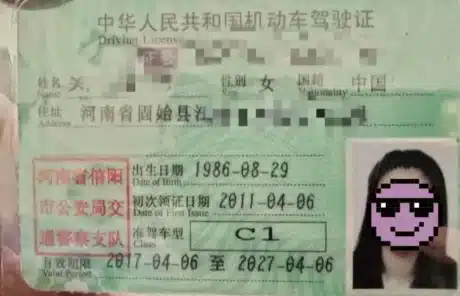
No. An IDP is not valid for independent driving in mainland China. You need a Chinese Temporary Driving Permit or full Chinese Driver’s License.
How do average speed cameras calculate speed in China?
They record your license plate and time at entry and exit points of a road segment. The system divides distance by time to calculate average speed. If it exceeds the posted limit, you get a fine.
What happens if I get a speeding ticket while renting a car in China?
The rental company receives the notice and deducts the fine plus an administrative fee from your deposit or credit card. Clarify the company’s fine policy when you book.
Is there a tolerance over the speed limit in China?
Roughly 10-20 km/h, but this is not officially guaranteed. Automated systems can issue fines for any excess. Stay within posted limits.
How are speeding fines paid by foreigners?
In person at traffic police bureaus or via WeChat/Alipay. Rental companies often handle payment for fines incurred in their vehicles. You will need assistance if you don’t use Chinese payment apps.
Are ride-hailing apps like DiDi safe and legal for foreigners in China?
Yes. DiDi is legal, widely used, and safe. It’s a reliable alternative to driving yourself.
What are the penalties for drunk driving and mobile phone use while driving?
Zero tolerance. Drunk driving: heavy fines, license suspension, potential jail time. Mobile phone use: fines and demerit points.
Key Compliance Points
- Foreign drivers face the same fines and point deductions as locals.
- Average speed cameras measure your speed across entire road sections, not just at fixed points.
- International Driving Permits do not allow you to drive legally in China.
- Payment requires WeChat, Alipay, or in-person visits to traffic bureaus.
- Navigation apps (Gaode, Baidu) are essential for tracking camera locations and speed limits.
- Rental companies deduct fines directly from your deposit or card.
- License conversion requires a theory test but no road test.
- The 12-point system applies to all drivers; losing all points means retaking the full exam.
Before you drive, download a navigation app, get your Chinese license or temporary permit sorted, and set your mental speed limit 10 km/h below every posted sign. Cameras are not optional in China—they are the traffic law.
Sources:
- Driving in China – Wikivoyage
- Driving in China – Driving-in.com
- Can You Drive in China with Your Overseas License? – The Chairman’s Bao
- 12 Traffic Violations that Will Cost You Your Chinese Drivers License – eChinacities
- The Day I Got My First China Speeding Ticket – Far West China
- Driving in China – China Xian Tour
- China Drivers License FAQ
- Driving in China – ExpatDen