
- The Killer: Not Yielding to Pedestrians (Even Though Nobody Does)
- Drunk Driving: They’re Finally Cracking Down
- Speeding: The Silent Epidemic
- Running Red Lights: Motorcycles, E-Bikes, and the Occasional Car
- Unlicensed Driving and Fake Licenses: Don’t Even Think About It
- Mobile Phone Use: The Third Biggest Killer
- Wrong-Way Driving, Illegal U-Turns, and Lane Chaos
- Overloading and Commercial Vehicle Violations: Stay Away from Trucks
- Seatbelt Non-Use: The Cultural Blind Spot
- What to Do When You’re in an Accident
- Insurance: Your Safety Net
- Regional Differences: Urban vs. Rural, North vs. South
- The Real Cost of Violations: Penalty Points and Fines
- Why This Matters More for Foreigners
- My Take After a Decade on These Roads
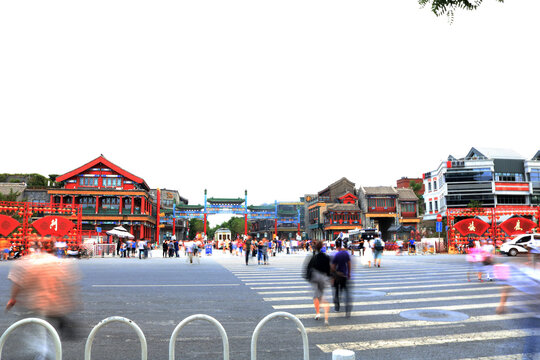
Listen, I’m not here to sugarcoat it. China’s roads will kill you if you’re not careful. I’ve been here over a decade, helped hundreds of foreigners get their Chinese driver’s licenses through my work at chinadriverslicense.com, and I’ve seen enough close calls to fill a book. The stats don’t lie: China has 26 fatalities per 10,000 motor vehicles. The U.S.? 2.0. That’s thirteen times higher.
You want to drive here? Fine. But you need to know exactly which violations will get you hurt, arrested, or worse.
The Killer: Not Yielding to Pedestrians (Even Though Nobody Does)
Here’s the sick joke about Chinese traffic law: Article 47 of the Traffic Safety Law says you must slow down at crosswalks and stop when pedestrians are crossing. Sounds reasonable, right?
Nobody does it.
Over three years, 3,898 pedestrians were killed at marked crosswalks – the places where they’re supposedly protected. That’s 140,000 car-pedestrian accidents at crosswalks in the same period. More than 20% of all pedestrian casualties happen because drivers simply refuse to yield.
What this means for you as a driver:
You will see locals blow through crosswalks with pedestrians halfway across. Do not copy this. Foreign license plates and foreign faces attract attention. You will be held to a higher standard if something goes wrong, and the legal mess is not worth it.
What this means for you as a pedestrian:
Never, ever assume a car will stop. I don’t care if the light is green and you’re in the crosswalk. Make eye contact. Move in a group if possible – a lone foreigner is easier to ignore. The danger window is 19:00–21:00, when pedestrian casualties spike to nearly 20% of the daily total.
And here’s the friction point nobody tells tourists: Chinese drivers don’t just ignore you out of malice. Many have been driving less than three years. They’re not experienced enough to react quickly. Combine that with the cultural norm of “bigger vehicle wins,” and you get chaos.
Drunk Driving: They’re Finally Cracking Down

China used to be the Wild West for drunk driving. Not anymore.
If you’re caught driving after drinking, you lose 12 points on your license (that’s your entire annual allowance), your license gets suspended, and you pay a 2,000 RMB fine. That’s the baseline.
Get caught drunk (not just tipsy), and you’re looking at criminal charges. Between January and November 2024 alone, 303,000 people were indicted for dangerous driving – most of those drunk-driving cases. That’s actually down 42.3% from the year before, which tells you how aggressive enforcement has become.
China now has 15 scenarios that trigger heavier punishment for drunk driving:
- Driving a school bus
- Transporting hazardous materials
- Having passengers in the car
- Causing an accident (even minor)
- Fleeing the scene
The kicker? If you’re a foreigner, expect zero leniency. Chinese courts make examples of foreign drunk drivers. I’ve seen guys deported after serving jail time.
The friction:
You’re out with Chinese business contacts. They will pressure you to drink. The culture of “ganbei” (bottoms up) is real. But nobody will bail you out if you drive afterward. Didi (China’s Uber) works great – download it, link your Alipay or WeChat Pay (you’ll need one of those because Visa doesn’t work in most apps), and use it. Don’t risk it.
Speeding: The Silent Epidemic

Speeding is involved in most serious crashes here, and enforcement is inconsistent at best.
After China cracked down on speeding, deaths dropped 71.2%. That tells you how bad it was before. Between 2011 and 2014, 4,180 people died on speeding or overloaded public buses alone.
Here’s the problem:
 Speed cameras are everywhere, but they’re often hidden. Not the obvious roadside boxes you see in Europe – I’m talking cameras tucked into trees, mounted on overpasses you’d never notice, built into lamp posts. You won’t see them coming.
The other issue? Chinese highways often have wildly inconsistent speed limits. You’ll go from 120 km/h to 60 km/h in a construction zone with exactly one faded sign to warn you. Miss it, and you’re getting a ticket in the mail three weeks later.
Trucks are the worst offenders, especially at night. They’ll barrel down highways at 100+ km/h with overloaded cargo, no lights, and drivers nodding off from fatigue.
The friction:
You can’t use Google Maps here – it’s blocked. Download Amap (Gaode Maps) before you arrive. It’s in Chinese, but the interface is visual enough that you can follow along even if you can’t read the characters. It’ll warn you about speed cameras, most of the time. Most.
Also, check your rental agreement. Some agencies install GPS trackers and will fine you directly if their system flags speeding, separate from any government ticket.
Running Red Lights: Motorcycles, E-Bikes, and the Occasional Car

Red lights in China are… suggestions.
I’m not being cute. I’ve watched scooters, e-bikes, motorcycles, and yes, cars cruise through red lights at major intersections like it’s nothing. After enforcement efforts, deaths from running red lights dropped 13.3% – meaning it was (and is) a massive problem.
The real danger:
It’s not just cars. It’s the e-bikes. Electric bikes and scooters are silent, fast, and piloted by delivery drivers who are paid per delivery and have zero incentive to wait for a green light. They’ll shoot across your path from behind a bus, carrying a tower of food containers or a stack of packages three feet tall.
I almost clipped one once. He came from my right – a blind spot because a construction barrier was blocking the view – ran the red, and missed my front bumper by inches. He yelled at me. That’s the reality.
The friction:
Intersections here don’t have the same “all red” buffer time you get in Western countries. The light changes, and traffic flows immediately from perpendicular directions. If you’re making a right turn on red (which is legal unless posted otherwise), you must yield to everyone – cars, bikes, pedestrians, scooters, and the occasional motorized wheelchair.
Also, right turn lanes often merge directly into crosswalks. You’ll be creeping forward into a stream of pedestrians while also watching for scooters running the red from your left. It’s a nightmare until you get used to it.
Unlicensed Driving and Fake Licenses: Don’t Even Think About It

Unlicensed drivers are one of the top three causes of traffic accidents in China.
Here’s what I tell every client: if you don’t have a proper Chinese driver’s license, do not drive. Not even “just to try it.” Not even “just around the block.”
Your home-country license is worthless here. China does not recognize international driving permits (IDPs) the way most countries do. If you get pulled over without a Chinese license, the penalties are steep:
- Fine of 200–2,000 RMB
- Vehicle impounded
- Possible detention (yes, actual jail time) if you caused an accident
I’ve seen tourists try to bribe their way out of this. It never works. Chinese traffic cops have body cameras now, and they will arrest you for attempting bribery on top of the unlicensed driving charge.
The friction:
Getting a Chinese license as a foreigner is bureaucratic and annoying, but it’s not impossible. You’ll need:
- A valid passport with a residence permit (tourist visas usually don’t qualify – you’d need a temporary driver’s license instead)
- A health check from an approved clinic (costs about 100 RMB, takes 30 minutes)
- A translation of your home license (notarized, another 200–300 RMB)
- Passing a written test (100 questions, multiple choice, available in English)
The written test is the annoying part. It’s filled with oddly specific questions about penalty points and obscure regulations. Study the app (there are several – “China Driving Test” is one) and you’ll pass. Most of my clients pass on the first try after a few days of cramming.
Or you can work with us at chinadriverslicense.com and we’ll walk you through every step, book your appointments, and make sure your paperwork is correct the first time. Saves you weeks of hassle.
Mobile Phone Use: The Third Biggest Killer

Using your phone while driving is the third major cause of traffic accidents in China.
I see it constantly. Drivers scrolling WeChat, watching videos, even playing mobile games at red lights and then continuing to play as they roll forward into traffic.
The fine is only 200 RMB and 2 penalty points. That’s not enough to deter anyone, which is why enforcement is spotty and the behavior is rampant.
The friction:
Here’s the thing: you need your phone for navigation (Amap), for payments (toll booths sometimes take WeChat Pay), and for communication. The solution is a proper phone mount and voice commands, but even that is tricky because Chinese voice assistants (Siri, Google Assistant) don’t work reliably here.
My advice? Set your navigation before you start driving. Pull over if you need to change your route. It’s not worth the risk.
Also, if you’re in a crash and the other driver was on their phone, document it. Traffic police will check phone records if there’s a dispute about fault.
Wrong-Way Driving, Illegal U-Turns, and Lane Chaos
Driving against traffic, making illegal U-turns on highways, and switching lanes without signaling are all shockingly common.
I’ve seen cars reverse down highway on-ramps because they missed their exit. I’ve watched someone make a U-turn across four lanes of traffic on a major urban road because they didn’t want to go to the next intersection. And lane discipline? Forget it. People will cut you off with six inches of clearance and no signal.
Violations of traffic laws are blamed for nearly 90% of accidents that caused deaths or injuries in China. Most of the drivers at fault in crashes? They’ve been driving less than three years.
The friction:
Chinese road layouts are confusing. Exits aren’t always well-marked. GPS can lag or give you last-second instructions. That’s not an excuse to do something dangerous, but it explains why you’ll see locals doing it.
If you miss your exit, take the next one. Add ten minutes to your trip. Don’t try to be a hero.
Also, learn to read Chinese characters for basic road signs:
- 出口 (chūkǒu) = Exit
- 入口 (rùkǒu) = Entrance
- 禁止 (jìnzhǐ) = Prohibited
- 停 (tíng) = Stop
You don’t need to be fluent. Just recognize those four and you’ll avoid 90% of wrong-turn disasters.
Overloading and Commercial Vehicle Violations: Stay Away from Trucks

Overloaded vehicles – especially trucks and buses – are a plague on Chinese highways.
Between 2011 and 2014, 4,180 people died on buses that were speeding or overloaded. Truck drivers overload their vehicles to maximize profit, and the penalty for getting caught is often less than the money they make from the extra cargo.
You’ll see trucks stacked 15 feet high with steel, lumber, or scrap metal, held together with fraying ropes. You’ll see concrete mixers with cracked drums. You’ll see flatbeds with no side rails carrying loose gravel at highway speeds.
What you do:
Stay far, far away from them. Don’t tailgate trucks. Don’t drive next to them. Pass them quickly and give them space.
I’ve seen cargo fall off trucks on highways. I’ve seen wheel blowouts that sent truck debris across three lanes. You do not want to be near one when something goes wrong.
The friction:
Chinese highways are often two lanes each direction with no shoulder or a minimal shoulder. Passing a slow, overloaded truck means you have to commit to a full overtaking maneuver in the left lane, often while faster cars are coming up behind you and flashing their high beams (which is the Chinese way of saying “move or I’m going through you”).
Plan your passes. Check your mirrors twice. Signal (even though no one else does). And get it done quickly.
Seatbelt Non-Use: The Cultural Blind Spot
Here’s something that drives me crazy: seatbelt usage in China is abysmal.
Front-seat passengers often don’t buckle up. Rear passengers? Almost never. I’ve been in taxis where the seatbelt buckles were deliberately tucked under the seat cushions so they wouldn’t “bother” passengers.
The law requires seatbelts, but enforcement is weak and cultural attitudes haven’t caught up.
What you do:
Wear your seatbelt. Every time. Front and back. If you’re in a taxi and the driver asks why you’re buckling up (it happens), just smile and say “习惯” (xíguàn – “habit”). They’ll drop it.
If you’re driving and your passengers don’t buckle up, tell them it’s required. If there’s an accident and they’re unbuckled, you can be held partially liable as the driver.
The friction:
In many Chinese cars, the seatbelt warning chime doesn’t work or has been disabled. You won’t get the annoying beeping that forces compliance in Western cars. You have to self-enforce.
What to Do When You’re in an Accident

You will eventually see an accident in China. If you’re unlucky, you’ll be in one.
Here’s the protocol, step by step:
Do not leave the scene. Driving away, even from a minor fender-bender, is a serious offense. You can be charged with hit-and-run.
Check for injuries. If anyone is hurt, call 120 (ambulance) and 122 (traffic police) immediately. Do not move injured people unless there’s an immediate danger (fire, etc.).
Do not admit fault. Be polite. Exchange information. But do not say “sorry” or “it’s my fault” or anything that can be interpreted as accepting liability. Chinese traffic law is strict about fault assignment, and insurance claims hinge on the police report.
Take photos. Document everything. Vehicle positions, damage, license plates, road conditions, skid marks, debris. If there are witnesses, get their WeChat contact info (nobody gives out phone numbers here).
Call your insurance company. Most Chinese car insurance includes a hotline for accident assistance. They’ll often send someone to the scene to help with paperwork and translation.
Wait for the police. They’ll arrive, assess the scene, interview everyone, and issue a report assigning fault. This report is critical for insurance. If you don’t speak Mandarin fluently, call someone who does. Your hotel concierge, a Chinese friend, a colleague – anyone. Do not try to navigate this alone if you’re not fluent.
Get a copy of the police report. It’s called a 事故认定书 (shìgù rèndìng shū). You’ll need it for your insurance claim. The police will also tell you what happens next – whether you pay the other driver directly, whether the insurance companies handle it, or whether there are fines/penalties.
The friction:
Crowds will gather. Bystanders love a good accident scene. Ignore them. Do not let random people “mediate” or pressure you into an on-the-spot cash settlement unless the police explicitly approve it. Scammers sometimes pose as mediators or “helpful locals” to extract money from confused foreigners.
Also, if the accident involves a pedestrian or cyclist, expect the presumption of fault to lean heavily against you as the driver of the motor vehicle. That’s how the law works here. Pedestrians and cyclists are legally considered the “weaker” party, and the burden of proof shifts to you.
Insurance: Your Safety Net
You cannot drive in China without insurance. Period.
The minimum legal requirement is 交强险 (jiāoqiáng xiǎn) – compulsory traffic accident liability insurance. It covers third-party injuries and property damage, but the payout caps are low (around 120,000 RMB for death/injury, 2,000 RMB for property damage).
Most people also carry 商业险 (shāngyè xiǎn) – commercial insurance – which includes higher liability limits, collision coverage, theft coverage, and sometimes coverage for uninsured drivers (a real risk here).
The friction:
Chinese car insurance doesn’t work like Western insurance. You’ll often pay upfront for repairs and then get reimbursed, rather than the insurance company paying the shop directly. Keep all receipts.
Also, if you’re renting a car, read the rental agreement carefully. Some agencies include insurance; others don’t. Some have deductibles so high that you’re basically self-insuring the first 5,000–10,000 RMB of damage.
For foreigners who are just visiting or on short-term work assignments, I always recommend comprehensive travel insurance that includes:
- 24/7 emergency assistance with English-speaking operators
- Medical evacuation coverage (Chinese hospitals are fine for minor stuff, but if something serious happens, you want the option to get to Hong Kong or fly home)
- Legal assistance for traffic incidents
- Coverage for driving rental vehicles (many standard travel policies exclude this – check the fine print)
If you’re doing anything adventurous – renting a scooter, taking a motorcycle taxi in rural areas – make sure your policy covers it. Some insurers exclude two-wheeled vehicles entirely.
Regional Differences: Urban vs. Rural, North vs. South

China is huge, and traffic culture varies wildly by region.
Big cities (Beijing, Shanghai, Shenzhen):
- Traffic is dense but relatively predictable.
- Enforcement is stricter.
- Drivers are more experienced on average (though still aggressive).
- Infrastructure is modern – clear lane markings, traffic lights that work, etc.
- The friction: congestion is insane. Expect to spend 30–40% of your drive time in stop-and-go traffic.
Second-tier cities (Chengdu, Wuhan, Xi’an):
- Traffic is chaotic. Enforcement is inconsistent.
- You’ll see more e-bikes, more pedestrians jaywalking, more trucks mixing with passenger cars.
- Road quality varies block by block – smooth pavement next to crumbling potholes.
- The friction: signage is often only in Chinese, and GPS can be unreliable in older neighborhoods.
Rural areas:
- Roads are often narrow, poorly maintained, and shared with livestock, tractors, and three-wheeled cargo bikes.
- Drivers are less experienced and more reckless.
- You’ll encounter unmarked speed bumps, sudden toll booths, and roads that turn to gravel without warning.
- The friction: gas stations can be 50+ km apart. Fill up whenever you see one. Also, your phone’s data signal may cut out, so download offline maps before you leave the city.
North vs. South:
- Northern drivers (Beijing, Tianjin, Hebei) tend to be more aggressive and impatient.
- Southern drivers (Guangdong, Fujian) are also aggressive but in a different way – lots of sudden lane changes and horn use.
- Western China (Xinjiang, Tibet, Qinghai) has the added challenge of high altitude, extreme weather, and roads that are occasionally closed without notice.
The Real Cost of Violations: Penalty Points and Fines

China uses a 12-point demerit system. You start each year with 12 points. Lose them all, and your license is suspended until you retake the written test.
Here’s what common violations cost:
- Drunk driving: 12 points, license suspension, 2,000 RMB fine, possible criminal charges
- Excessive speeding (50%+ over limit): 12 points, license suspension, up to 2,000 RMB fine
- Running a red light: 6 points, 200 RMB fine
- Using a mobile phone while driving: 2 points, 200 RMB fine
- Not wearing a seatbelt: 2 points, 50 RMB fine
- Illegal U-turn or wrong-way driving: 3–6 points (depending on location), 200–2,000 RMB fine
- Unlicensed driving: Vehicle impounded, 200–2,000 RMB fine, possible detention
The friction? You usually won’t know you got a ticket until days or weeks later. Speed camera tickets, red-light camera tickets, and even some parking violations are mailed or sent electronically to the registered owner of the vehicle. If you’re renting, the rental company will charge your credit card (or WeChat Pay/Alipay deposit) for the fine plus a processing fee.
Check for violations regularly using the 12123 app (traffic management app, available in Chinese only but has English instructions if you dig). You can also ask your rental agency to check for you before you return the car.
Why This Matters More for Foreigners

Here’s the uncomfortable truth: if you’re involved in an accident in China as a foreigner, you’re going to face extra scrutiny.
The police will check your license status obsessively. They’ll verify your visa and residence permit. They’ll ask for your passport, your rental agreement, your insurance docs – everything.
If you’re found at fault, the penalties are often harsher. Courts sometimes make examples of foreigners, especially in cases involving drunk driving or serious injury. You can be deported after serving jail time, and you’ll be banned from re-entering China.
But even if you’re not at fault, the process is exhausting. Language barriers turn every interaction into a negotiation. Insurance claims take forever. The paperwork is kafkaesque.
That’s why I always tell clients: drive defensively, follow the law obsessively, and have a local contact on speed-dial. If you don’t have a Chinese friend or colleague who can help in an emergency, get one. Join an expat group on WeChat. Hire a fixer (that’s literally my job). Don’t go it alone.
My Take After a Decade on These Roads
I’ve been driving in China since 2012. I’ve logged hundreds of thousands of kilometers, from the highways of Guangdong to the mountain roads of Yunnan. I’ve been in two accidents (neither my fault), been stopped at police checkpoints more times than I can count, and helped clients navigate everything from fender-benders to serious injury crashes.
Here’s what I’ve learned:
Chinese drivers aren’t trying to kill you. They’re just operating in a system that’s young, under-enforced, and culturally different from what you’re used to. The average driver here has been on the road for less than five years. They learned to drive in a seven-day crash course that barely covers the basics. They’re not defensive drivers because defensive driving isn’t part of the training.
That doesn’t excuse the behavior, but it explains it.
Your job as a foreigner is to be better. More cautious. More aware. More prepared.
Wear your seatbelt. Don’t drink and drive. Don’t use your phone. Yield to pedestrians even when no one else does. Keep your documents ready. Download Amap and the 12123 app. Get insurance that actually covers you. And for the love of all that’s holy, get a proper Chinese driver’s license if you’re going to drive here.
If you need help with that, we’re at chinadriverslicense.com. We’ll walk you through the licensing process, translate your documents, book your test appointments, and make sure you’re legal before you ever turn the key.
Stay safe out there.